Farm Emporium's latest blogs
Welcome to our blog, where we share real stories, helpful tips, and honest insights into animal care, small farming, and homesteading. Join us on our journey.

Blog 1 Backyard Chickens: What You Need to Know
Before you actually get your chickens, there are a few things you’ll need:
- A safe coop
- Water and quality feed
- Space for them to peck around
- Protection from any potential predators
Making sure to keep the right setup from the start makes all the difference for keeping your chickens safe and healthy.
If you’re considering starting your own flock, start small and take your time. Go to my page to learn more tips and tricks about backyard chickens for beginners and ways to simply raise happy and healthy chickens.
How to Raise Chickens
Learning how to raise chickens comes down to routine. Chickens need to be fed, given clean water, and have their coop cleaned daily and on a weekly basis. While they are low maintenance compared to other animals, they still need daily attention.
What to Expect
Something people don’t always think of is how chickens have their own personalities. Some are more friendly and others keep to themselves. It is normal to take time for them to get used to you and their new home.
Starting out having backyard chickens can seem overwhelming at first, but it’s actually a great way to step into farm life. Chickens are one of the simplest animals to care for, and they provide your family with eggs and are fun to have around. A lot of people start off with chickens as theur first step into homesteading.
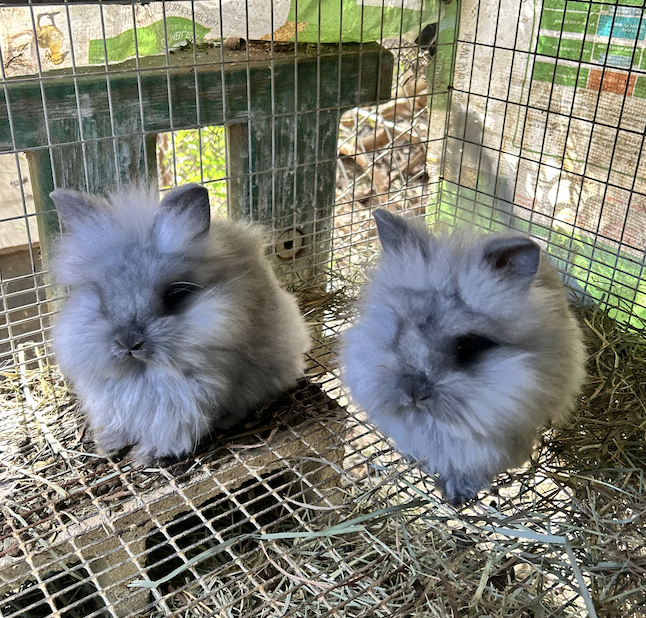
#2 Bunny Care Guide: What You Should Know
Understanding Bunny Care
Having a good bunny care guide is crucial if you’re considering getting a new furry friend. Bunnies may look easy to care for, but they still need attention and the proper environment to stay healthy and happy. They are pack animals and do best when they are safe and comfortable in their new home.
Basic Needs
If you’re looking into small farm animals for beginners, bunnies are a solid choice, that being said they still need proper care. Some of their needs are:
- A clean/safe pen or hutch
- Fresh pellets as the main part of their diet
- Access to clean water at all times
- Daily check ins
.
Common Mistakes
One of the biggest mistakes new owners make is not giving their bunny the proper diet. It is common to think that bunnies can live off of grass, carrots, and lettuce but that is not the case. The majority of bunnies' diet is timothy hay which is high in protein. The easiest way to provide this to your bunny is through using the pellets, which is packed timothy hay. They will not overeat so it is good to keep a full bowl or feeder of pellets for them.
Tips for New Owners
Be patient when bringing a new bunny home. It will take time for them to warm up to you and to their new environment. Go slow, be patient, and wait for them to come to you.
If you’re considering getting a bunny, take time to learn what they need. Check out my page for more tips and tricks and a full bunny care guide or to see available bunnies.
Blog 3:
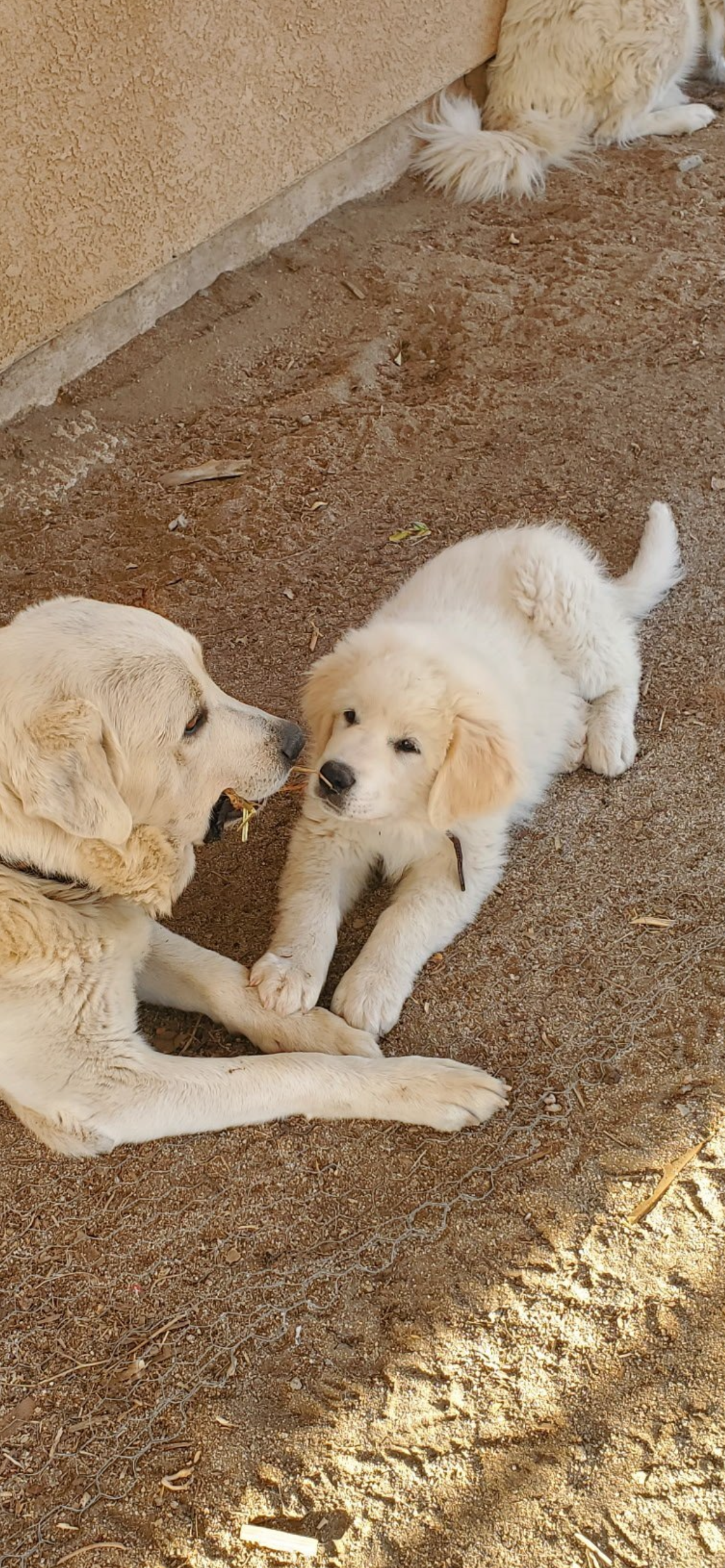
Dive into why Great Pyrenees dogs are amazing livestock guardian dogs and why they are special.
What Makes Great Pyrenees Special
The Great Pyrenees livestock guardian dog has been bred to be easy going, loyal, and very protective. These dogs have been the ideal choice for years to keep farm animals like chickens, sheep, and goats safe. It is in their genetics to be alert and watchful, which makes them a great fit for a farm.
Although they are such large dogs, they are gentle giants, especially with their animals and family.
Why They Do Well on Farms
One of the biggest reasons people choose LGD’s such as the Great Pyrenees is because they are independent and also protective. They don’t need to be told how to do their job.
Some key benefits include:
- Protective instincts
- Calm/gentle personality
- Getting along with other farm animals
- Loyal to their family and animals
They are very helpful for keeping potential predators away from animals, even the smaller ones like chickens.
Things to Consider
Great Pyrenees dogs are amazing, but they do need responsibility. They need space to move around, and a job. These dogs are not bred to keep without a day to day task. They are also active at night and sleep during the day. This is why they are bred to be on farms. They are also independent thinkers, meaning they are not the breed that is best to train to do tricks.
What to Expect
These dogs bond closely with their animals and people they are in charge of protecting. Over time, they become the security of your farm. They are not just pets, they are working animals with a crucial role.
Create Your Own Website With Webador